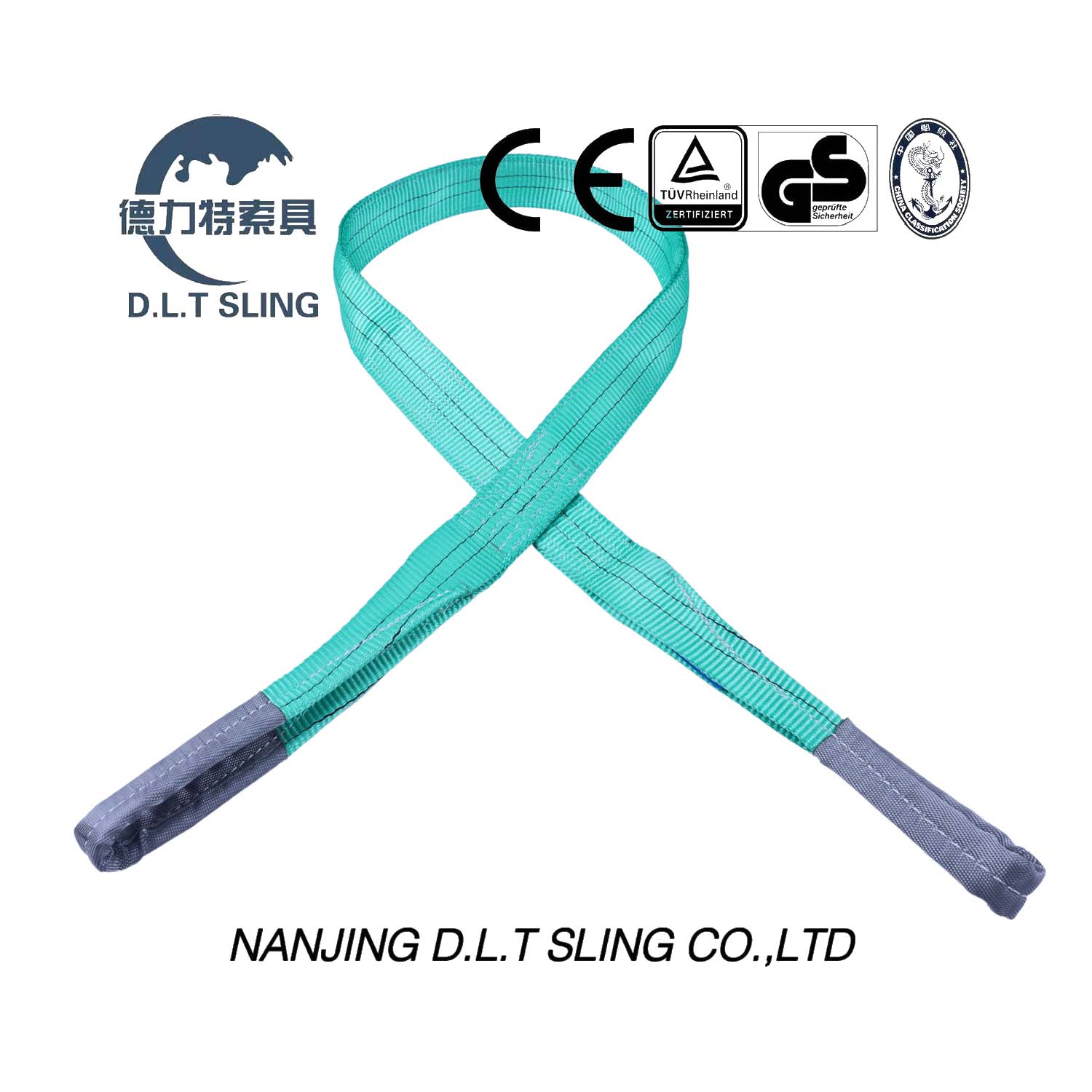
Cuando se trata de seleccionar el adecuado material para correas En cuanto a aplicaciones, el poliéster y el nailon son dos opciones populares que suelen generar debate entre profesionales de diversas industrias. Cada material ofrece características y beneficios únicos, por lo que es fundamental comprender las diferencias entre las correas de poliéster y nailon para tomar una decisión informada. En esta entrada del blog, analizaremos en profundidad las características clave de las correas de poliéster y nailon, destacando sus ventajas, desventajas y aplicaciones ideales.
Cinta de poliéster Es conocido por su excepcional resistencia y durabilidad, lo que lo convierte en la opción preferida para aplicaciones que requieren alta resistencia a la tracción y a la abrasión. Este material presenta una excelente resistencia a los rayos UV, lo que minimiza los efectos de la exposición prolongada a la luz solar, que puede causar degradación en otros tipos de cintas. Además, la cinta de poliéster es altamente resistente al estiramiento, lo que garantiza que mantenga su forma e integridad con el tiempo.
Una de las características destacadas de las correas de poliéster es su baja absorción de agua, lo que evita que el material se debilite o degrade al exponerse a la humedad. Esta característica las hace ideales para aplicaciones en exteriores o entornos con altos niveles de humedad. Entre sus usos más comunes se incluyen la sujeción de cargas, correas de amarre, cinturones de seguridad y arneses de seguridad.
Las correas de nailon son otra opción popular, conocida por su flexibilidad y excelente resistencia al moho y a los productos químicos. En comparación con el poliéster, las correas de nailon tienen mayor elasticidad, lo que les permite absorber cargas de impacto y adaptarse a formas irregulares con mayor eficacia. Esta propiedad las hace ideales para aplicaciones que implican fuerzas dinámicas o de alto impacto, como equipos de escalada, correas para mascotas y correas de mochilas.
Si bien las correas de nailon ofrecen mayor flexibilidad y absorción de impactos, es importante tener en cuenta que son más susceptibles a la degradación por rayos UV que el poliéster. Por lo tanto, pueden no ser la mejor opción para aplicaciones en exteriores que impliquen una exposición prolongada a la luz solar. Además, las correas de nailon tienen una mayor tasa de absorción de agua que el poliéster, lo que puede reducir su resistencia al estar mojadas.
Al elegir entre correas de poliéster y nailon, considere los requisitos específicos de su aplicación para determinar qué material se adapta mejor a sus necesidades. Si prioriza la resistencia, la resistencia a la abrasión y la estabilidad UV, poliéster cincha Es probable que sea la mejor opción. Por otro lado, si la flexibilidad, la absorción de impactos y la resistencia química son factores cruciales, las correas de nailon pueden ser más adecuadas.
En definitiva, tanto las correas de poliéster como las de nailon ofrecen ventajas únicas, y la decisión entre ambas debe basarse en las necesidades específicas de su proyecto o aplicación. Al comprender las diferencias clave entre las correas de poliéster y nailon, podrá tomar una decisión informada que garantice un rendimiento óptimo y una larga vida útil para sus necesidades de correas.





 IPv6 RED SOPORTADA
 Correo electrónico
: sales@dlt-sling.com
Correo electrónico
: sales@dlt-sling.com
 Consigue una cotización