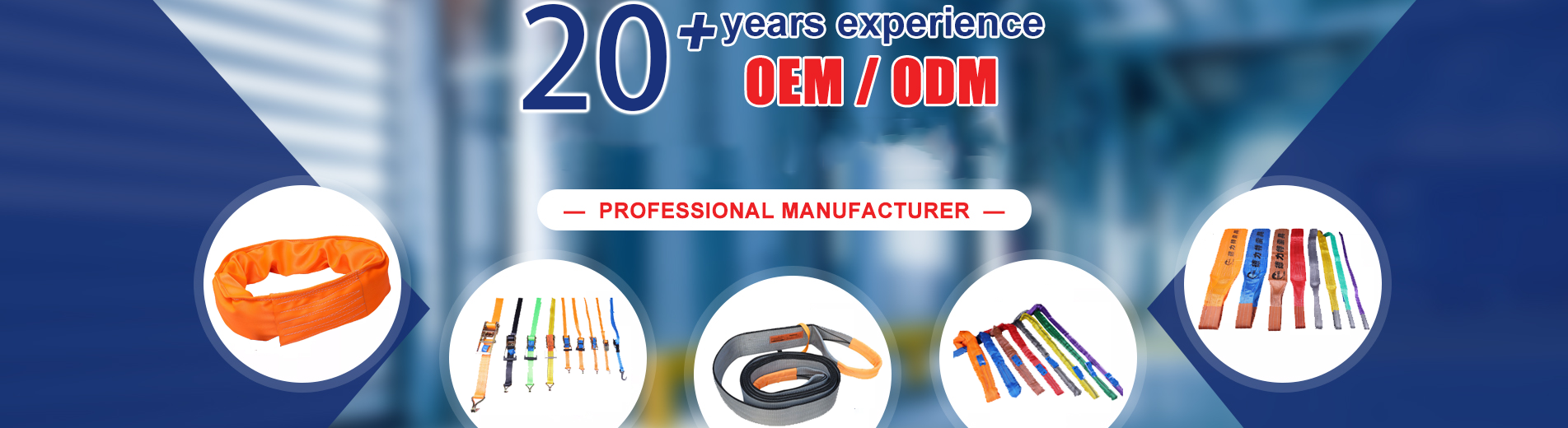
Al transportar mercancías por camión, remolque, ferrocarril o contenedor, mantener la carga bien sujeta es tan importante como entregarla a tiempo. Las cargas sueltas pueden desplazarse durante el frenado, las curvas o las aceleraciones repentinas, lo que puede provocar daños en la mercancía, inestabilidad del vehículo y riesgos para la seguridad.
Aquí es donde amarre con trinquete desempeña un papel esencial.
A sistema de amarre con trinquete Utiliza una cinta de poliéster de alta resistencia, un mecanismo de tensión de trinquete y accesorios de extremo para asegurar la carga durante el transporte. Se utiliza ampliamente en las industrias de logística, construcción, manufactura, agricultura y marítima porque proporciona un método confiable, reutilizable y rentable de aseguramiento de la carga.
Ya sea que esté comprando su primer correas de amarre con trinquete Ya sea que esté buscando un proveedor confiable o no, comprender los conceptos básicos le ayudará a elegir la solución adecuada para sus necesidades de transporte.
A amarre con trinquete Es un dispositivo de sujeción de carga diseñado para evitar que la mercancía se mueva durante el transporte.
A diferencia de las cuerdas tradicionales, que dependen de nudos y tensión manual, una sistema de amarre con trinquete Utiliza una hebilla de trinquete mecánica que permite al operario tensar la cinta rápidamente, manteniendo una tensión constante durante todo el trayecto.
La mayoría de los sistemas de amarre con trinquete incluyen tres componentes esenciales:
En conjunto, estos componentes crean un sistema seguro. sistema de sujeción de carga Adecuado para el transporte de una amplia gama de mercancías.
La cinta está fabricada con hilo de poliéster de alta tenacidad, lo que ofrece una excelente resistencia a la vez que sigue siendo ligera y flexible.
En comparación con las cadenas de acero, las correas de poliéster son más fáciles de manejar y tienen menos probabilidades de dañar las superficies pintadas o delicadas de la carga.
Entre las principales ventajas se incluyen:
La hebilla de trinquete es la encargada de aplicar y mantener la tensión necesaria.
Su mecanismo de bloqueo evita que se afloje accidentalmente durante el transporte, al tiempo que permite una liberación rápida durante la descarga.
Una hebilla de trinquete de alta calidad debe tener las siguientes características:
Los diferentes equipos de transporte requieren diferentes tipos de ganchos.
Los accesorios de extremo más comunes incluyen:
Seleccionar el conector de extremo correcto ayuda a garantizar que la correa permanezca bien sujeta durante todo el transporte.
Utilizar una correa de amarre con trinquete es sencillo:
Paso 1: Coloque la carga correctamente en el vehículo.
Paso 2: Fije ambos extremos de la correa a los puntos de anclaje homologados.
Paso 3: Pase la cinta suelta a través del husillo de trinquete.
Paso 4: Accione la manivela del trinquete hasta alcanzar la tensión requerida.
Paso 5: Bloquea el trinquete y asegura cualquier correa suelta que quede.
Una vez tensada correctamente, la correa aplica una presión continua que minimiza el movimiento de la carga causado por vibraciones, frenadas o giros.
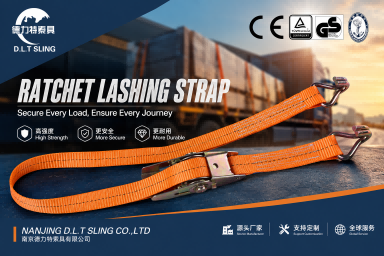
Los sistemas de amarre con trinquete son adecuados para asegurar muchos tipos diferentes de carga, entre ellos:
Debido a su versatilidad, correas de amarre con trinquete Se han convertido en uno de los productos de sujeción de carga más utilizados en todo el mundo.
Aunque las cuerdas todavía se utilizan para algunas aplicaciones de trabajo ligero, el amarre con trinquete ofrece varias ventajas importantes.
| Amarre con trinquete | Cuerda tradicional |
|---|---|
| Tensión constante | Apriete manual |
| Alta capacidad de carga | Fuerza limitada |
| Instalación rápida | Pérdida de tiempo |
| Reutilizable | Los nudos se aflojan fácilmente |
| Sujeción profesional de la carga | Apto únicamente para cargas ligeras. |
Para el transporte comercial, el sistema de amarre con trinquete ofrece mayor seguridad, eficiencia y fiabilidad.
Una de las especificaciones más importantes al seleccionar una correa de amarre con trinquete es su Capacidad de amarre (LC).
LC indica la fuerza máxima que el sistema de sujeción está diseñado para soportar durante su uso normal.
Muchos compradores se centran erróneamente solo en el ancho de la cinta. Sin embargo, dos correas del mismo ancho pueden tener diferentes clasificaciones LC dependiendo de la construcción de la cinta y los herrajes.
Siempre elija una correa de amarre con trinquete de acuerdo con:
Antes de comprar, tenga en cuenta los siguientes factores.
Los anchos comunes incluyen:
Elija una longitud que permita que la correa se ajuste a la carga, dejando suficiente cinta para un correcto funcionamiento del trinquete.
Seleccione los accesorios de extremo que coincidan con los puntos de anclaje y el sistema de sujeción de carga de su vehículo.
Verifique siempre que la carta de crédito cumpla con sus requisitos de transporte.
Las correas de amarre con trinquete de alta calidad se fabrican normalmente según EN 12195-2, garantizando un rendimiento fiable y una calidad constante.
La inspección periódica es esencial para la seguridad del transporte.
Antes de utilizar una correa de amarre con trinquete, compruebe lo siguiente:
Cualquier correa dañada debe retirarse de servicio inmediatamente.
Sí. Las correas de amarre con trinquete están diseñadas para un uso repetido siempre que se inspeccionen y mantengan adecuadamente. Reemplace cualquier correa que muestre signos de daño o desgaste excesivo.
Las correas de poliéster absorben muy poca humedad y ofrecen un buen rendimiento en ambientes húmedos. Sin embargo, siempre deben limpiarse y secarse antes de guardarlas durante un período prolongado.
Capacidad de amarre (LC) es la fuerza de trabajo máxima utilizada para asegurar la carga.
Resistencia a la rotura es la fuerza a la que el producto puede fallar durante las pruebas de laboratorio. Los productos siempre deben seleccionarse según el valor LC en lugar de la resistencia a la rotura.
Sí. Muchos fabricantes ofrecen servicios OEM, entre los que se incluyen:
Elegir al proveedor adecuado es tan importante como elegir el producto adecuado.
En NANJING DLT SLING, LTDFabricamos correas de amarre con trinquete de poliéster de alta calidad para clientes de todo el mundo. Ofrecemos una amplia gama de anchos de cinta, capacidades de amarre, opciones de gancho y servicios de personalización OEM para satisfacer las diferentes necesidades de transporte.
Nuestros productos se fabrican bajo un estricto sistema de gestión de calidad y se pueden suministrar con CE, GS, y ISO 9001 Certificación, junto con informes de pruebas de fábrica, previa solicitud.
Si busca una solución fiable para la sujeción de la carga o desea hablar sobre su proyecto OEM, nuestro equipo está listo para brindarle asistencia profesional y presupuestos competitivos.





 IPv6 RED SOPORTADA
 Correo electrónico
: sales@dlt-sling.com
Correo electrónico
: sales@dlt-sling.com
 Consigue una cotización