
Las operaciones de elevación de cargas pesadas requieren equipos de elevación fiables, y elegir la eslinga adecuada es fundamental tanto para la seguridad como para la eficiencia. Tanto si trabaja en la construcción, la fabricación, la logística o el sector marítimo, comprender los diferentes tipos de eslingas de elevación puede ayudarle a reducir riesgos y mejorar la productividad.
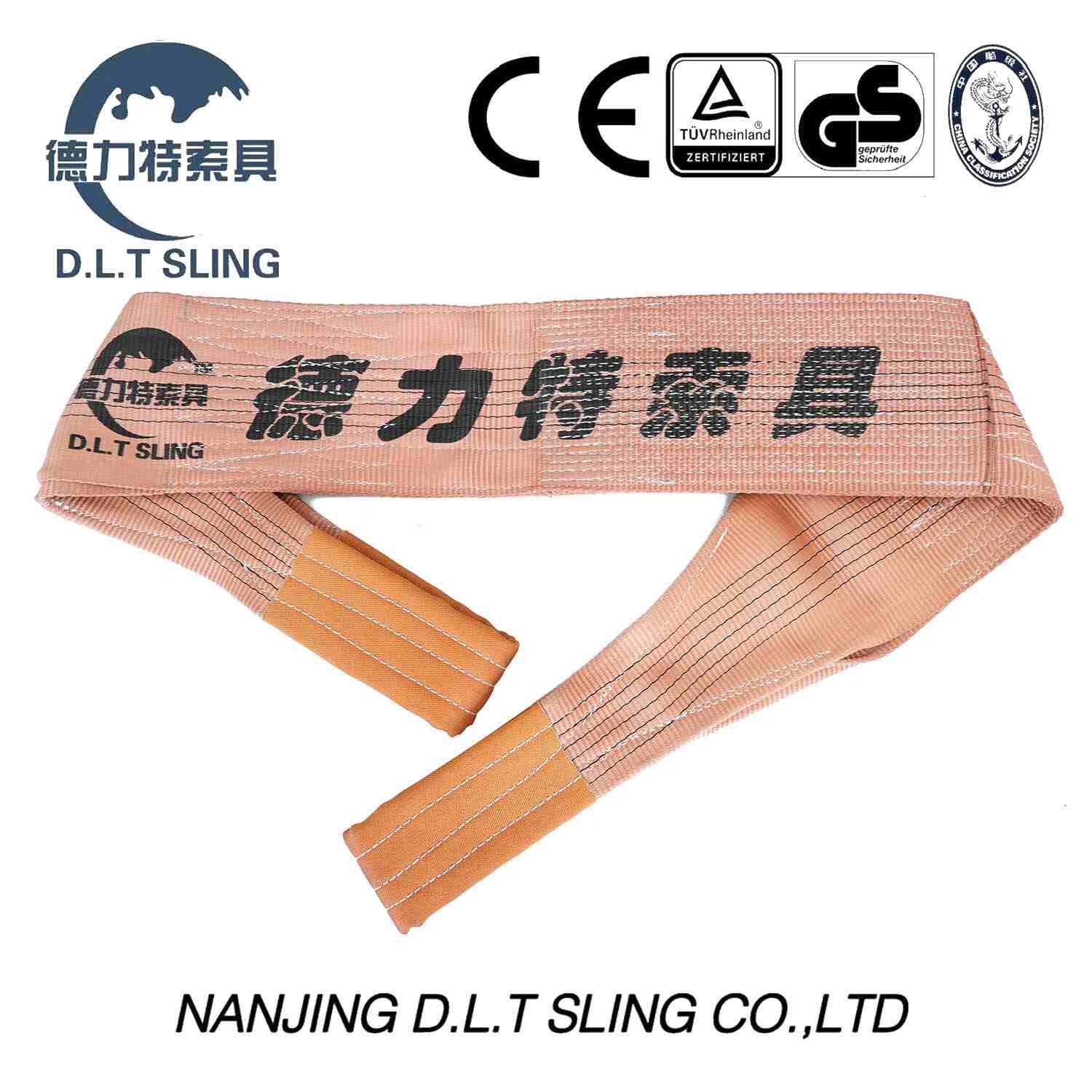
Una eslinga de cincha es una eslinga de elevación hecha de cincha de poliéster de alta resistencia. En comparación con los cables de acero y las eslingas de cadena, eslingas de cincha de poliéster Son ligeros, flexibles y fáciles de manejar. Se utilizan ampliamente para levantar productos terminados, maquinaria, estructuras de acero y equipos delicados sin dañar las superficies.
Factores a considerar al elegir una eslinga de cincha
El primer factor a considerar es el límite de carga de trabajo (WLL, por sus siglas en inglés). Nunca exceda la capacidad de elevación nominal de la eslinga. Seleccione siempre una eslinga con un margen de seguridad suficiente según la aplicación de elevación.
Elegir la longitud adecuada de la eslinga garantiza el ángulo de elevación correcto y minimiza la tensión en la misma. Las longitudes más comunes varían desde 1 metro hasta más de 20 metros, según la aplicación.
Los diferentes métodos de elevación afectan la capacidad de la eslinga:
Consulte siempre la tabla de carga proporcionada por el fabricante.
Las normas internacionales especifican diferentes factores de seguridad, como 5:1, 6:1, 7:1 y 8:1. Seleccione el factor de seguridad adecuado según la normativa local y los requisitos del cliente.
Una eslinga de cincha de alta calidad Deben fabricarse con hilo de poliéster de primera calidad, costuras reforzadas, fundas protectoras resistentes y etiquetas de identificación claras. Los productos certificados según las normas CE, GS e ISO 9001 ofrecen mayor seguridad en el izamiento.





 IPv6 RED SOPORTADA

 Correo electrónico
: sales@dlt-sling.com
Correo electrónico
: sales@dlt-sling.com
 Consigue una cotización